When You Need to Sell
When You Need to Sell
Can't Sell Your Vacant Land? What's Wrong and How to Fix It
Land that sits on the market usually has a price problem, an information problem, or both. Here is how to spot which one you have, price your lot from real sales, and decide whether to relist or sell to a land investor.

Can't Sell Your Vacant Land? What's Wrong and How to Fix It
If you can't sell vacant land, the cause is usually one of five things: the price is above what nearby lots sold for, buyers can't confirm road access, the listing doesn't say what the land allows, utilities and water are a guess, or the right buyers never saw it. Each one has a fix you can start this week.

In this article
- Why won't my vacant land sell
- How can I tell if my land is overpriced
- How do I price my land correctly
- What makes vacant land hard to sell
- What should my land listing include
- Where should I list my land for sale
- Should I sell my land to an investor
- Should I sell my land for less than I paid
- Frequently asked questions
Why won't my vacant land sell?
Most land that sits has a price problem or an information problem, and often both. Buyers can't walk through a lot the way they walk through a house, so anything they can't confirm from a screen becomes a reason to scroll past.
Felicia and I have sold more than 500 properties since 2017, and we also buy land from owners who are tired of waiting. When a seller calls us about a lot that sat for a year, the story usually lands in one of the five places above.
The asking price came from what they paid or what they hope to get, and not from recent sales. The listing says "great investment" but never says whether a home or an RV is allowed. Nobody can tell how a truck gets to the lot, power and water are a guess, and the land was listed on one site that land buyers rarely visit.
When vacant land won't sell, start by filling in the blanks a buyer would otherwise fill with the worst guess. Then look at the price with fresh eyes.
How can I tell if my land is overpriced?
Your land is likely overpriced if it has sat for months with few calls while similar lots nearby have sold. Compare your price per acre to recent sales and not to other listings, since a listing only shows what another seller hopes to get.
Look at sales from the last 6 to 12 months within a few miles, with about the same size, road and zoning. If those sold lots average well under your price per acre, and yours has no edge they lacked, such as power at the lot line or a paved road, the market has already told you the number.
Other signs are quieter. Buyers ask a few questions and go silent, or the only offers you get are far below asking. Both point at the price, or at missing facts that make buyers price in risk.
How do I price my land correctly?
Price your land from recent sold lots that match it on size, access, zoning and utilities, then adjust for the differences. Leave out what you paid, what the county assessed, and what you need to walk away with, because buyers never see those numbers.
Start with your county's sales records. Many county assessor or recorder sites let you search recent sales by area, and land listing sites often show sold prices too. Pull three to five sales, divide each price by its acres, and you have a price per acre to work from.

Size changes the math. A small lot is often priced as a whole lot instead of per acre, and a 40-acre parcel usually sells for less per acre than a 2-acre lot down the road. Adjust for the things buyers pay more for, like legal road access, power close by, and ground that is flat enough to build on.
Regional gaps are big. The USDA Economic Research Service put the average value of U.S. farmland at $4,500 per acre in 2026, while farm real estate in its Mountain region averaged $1,710 per acre (checked November 2026). A national number won't price your lot, and neither will a sale two states away.
What makes vacant land hard to sell?
Vacant land is hard to sell when a buyer can't tell how to reach it, what they can build or park on it, or what it will cost to bring in power and water. Each unknown shrinks the pool of buyers, and banks don't lend on raw land the way they lend on a house, so many of the buyers left need cash or seller financing.
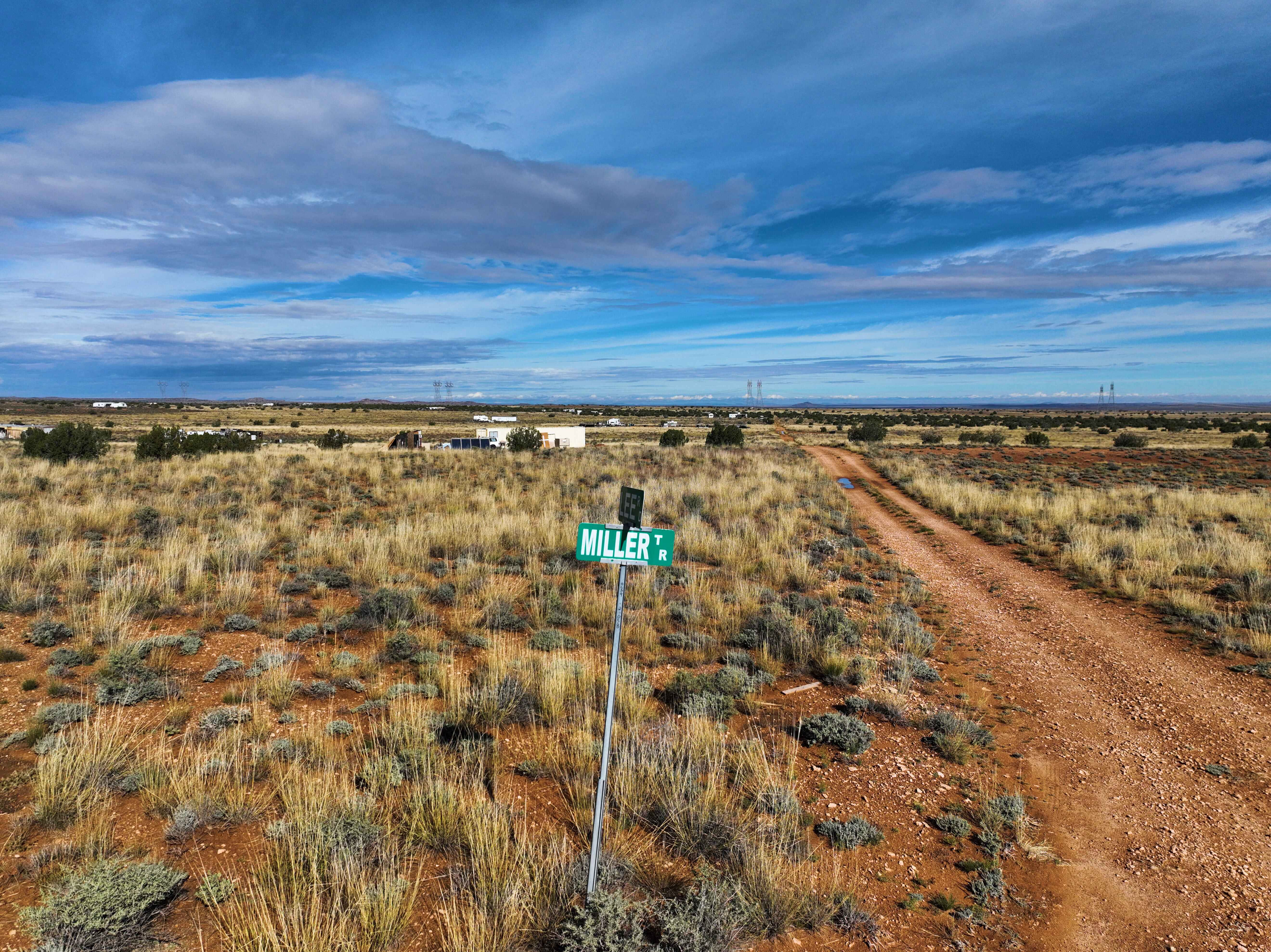
Every row in that table is something a buyer can look up, and the careful ones will. Put the answer in the listing first and you become the seller with nothing to hide. Our guides on checking road access, checking zoning and checking utilities walk through the same steps a buyer will take.
Flood risk deserves its own line. Search your parcel on the FEMA Flood Map Service Center, the official public source for flood hazard maps, and put the zone in your listing. If it shows Zone A or AE, our post on FEMA flood zones explains what that means to a buyer.
Unpaid taxes and HOA rules scare buyers for the same reason, because they look like trouble waiting at closing. Our posts on checking back taxes and liens and on deed restrictions and HOAs show where buyers find both.
See your land the way a buyer does. Our free land buying guide lists the eight checks careful buyers run on any parcel in any state, so you can answer each one in your listing before anyone asks.
What should my land listing include?
A listing that sells land answers a buyer's first questions before they ever call. Include the parcel number, GPS coordinates, acreage, zoning and what it allows, road access, distance to power and water, flood zone, HOA status, and yearly taxes.
Photos matter more than most sellers think. Take them from the road in, from the corners you can reach, and of the view in good light, and add a map that shows where the lot sits. Buyers who live far away use these to decide whether the drive out is worth it.

Write it the way you would talk to one person. Say what you would do with the land if you kept it, and be plain about the hard parts, like a dirt road that gets rough after rain. A buyer who reads the downside in your own words tends to trust the rest of the listing.
Our guide to finding land for sale online shows the sites and filters buyers use, which also tells you which details they sort by.
Where should I list my land for sale?
List your land where land buyers search, which means land listing sites first, then the big home sites and local Facebook groups. Deciding where to list land for sale also means reaching the people closest to it, starting with the neighbors.

Adjoining owners are often the best buyers you have. They may want more privacy, room for a barn, or a buffer from future building. Look up their mailing addresses on your county's parcel map and send each one a short letter with your price and phone number.
If you use an agent, pick one who has closed vacant lots in that county in the last year, and ask where they plan to list it. Offering seller financing can bring in buyers who can't get a bank loan for raw land, and our owner financing guide for buyers shows what those buyers expect to see.
Learning how to sell land that won't sell often comes down to this mix of a sharper price, better facts and more places. When that still isn't enough, or you're out of patience, a direct sale is the other road.
Should I sell my land to an investor?
Sell to a land investor when speed, certainty and no selling costs matter more to you than the top retail price. An investor buys to resell, so the offer will be below retail, and in return you skip commissions, listing time and the wait for the right buyer.
Here is how we do it at Compass Land USA, since it's what we know best. You send us the parcel, Sam on our team reviews it, and you get a written cash offer within 48 business hours with no fee and no obligation. We tell sellers up front that we can't pay full retail, because we resell much of our land on owner financing.
"Everything worked out exactly as the offer letter described. There were no games or last-minute changes or things like that. It was an honest sell of our land."
That's Greg Briles, who sold his land to us, and it speaks to the fear most sellers have about investors, a price that shrinks at closing.

The best way to sell vacant land depends on what you value most. If the lot is priced right and easy to use, an agent or a strong listing can get you more. If it has sat for a year, owes back taxes, or you inherited it in a state you never visit, a direct sale can cost you less than another year of waiting. Our Sell Your Land page has the short form, and the land sellers FAQ explains how we figure an offer.
Should I sell my land for less than I paid?
Sometimes, yes, when the market has moved and the holding costs keep adding up. Before you cut the price, know how the tax side works, since a loss and a gain are treated very differently.
The IRS treats land you hold as an investment as a capital asset. If you sell it for more than your basis, which is generally what you paid, the gain is long-term when you held it more than one year, and for tax years starting in 2025 the rate on most net capital gain is no higher than 15% for most people (checked November 2026).
A loss works the other way. If your capital losses are bigger than your gains, you can use up to $3,000 of the net loss each year against other income and carry the rest forward, but a loss on personal-use property doesn't count. Ask your tax preparer which group your land falls in before you set a new price.
Then add up what keeping it costs you every year in property tax, clearing and your own time. If a lower price today beats two more years of those bills, the cut can pay for itself.
Frequently asked questions
How long does it take to sell vacant land?
There's no single answer, because it depends on price, location and how many buyers want that kind of land. Land usually takes longer than a house since fewer people shop for it and fewer can get a loan for it. A lot priced from recent sales, with its facts spelled out, moves faster than the same lot listed with a bare description.
Why won't my land sell when the lot next door sold fast?
The lot next door may have had something yours lacks, such as a recorded easement, power at the road, or zoning that allows a home. Pull the county record for that sale and compare it line by line with your parcel. If they match on paper, the gap is most likely your price or where you listed.
Can I sell land that has back taxes owed?
Yes. In most sales the unpaid taxes are paid out of your proceeds at closing, so the buyer gets the land with the taxes current. Look up the amount on your county treasurer or tax collector's site first, since it changes what you walk away with and interest can keep adding to it.
Should I offer owner financing to sell my land?
It can bring in buyers who have cash for a down payment but can't get a bank loan for raw land. You collect monthly payments over time, and you carry the risk if a buyer stops paying, so use a written contract and a closing company to handle the paperwork. Talk to a real estate attorney in your state first, since the rules differ from state to state.
Do I need a survey to sell vacant land?
Not always, but it helps when the corners are unclear or the parcel was split off a bigger one. A survey shows a buyer exactly what they are getting and can head off a fight with a neighbor later. Check with the county recorder for an old survey on file before you pay for a new one.
Is it worth clearing or improving my land before I sell?
Small fixes that remove doubt are usually worth it, like marking the corners, cutting a path in, or getting a written estimate from the power company. Big projects like drilling a well or building a road are harder to earn back, because buyers often want to choose those themselves. Price the land as it is and tell buyers what the next step would cost.
If your land has been sitting, send us the parcel link and we will tell you what we know about the county rules for it. And before you relist it, our free land buying guide shows you the eight checks a buyer will run first.
Andrew
Co-founder, Compass Land USA
Andrew co-founded Compass Land USA after buying and selling land for years without needing a single bank. He's been on both sides of hundreds of owner-financed deals across eight states.
You've Read Enough. Time to Own Something.
Ready to Stop Renting Your Life and Start Owning Something?
Browse available land in Arizona, Florida, Colorado, Nevada, Texas, North Carolina, Tennessee, and Arkansas. Owner financing on every parcel. No bank. No credit check. Close in days.