When You Need to Sell
What Can You Do Here
44 Unique and Creative Ways You Can Use Land
There are 44 ways to use vacant land on this list, from a cabin or RV pad to goats and solar. Zoning decides which ones your county allows, and here is how to check.

Most people who call us about a piece of land already have a picture in mind, and it’s usually a house. A house is one good use for vacant land, and there are dozens more, from an RV pad you visit on weekends to goats, beehives and a solar setup that runs a small cabin.
Which of these unique land uses you can have on a given parcel comes down to the county’s rules. This list covers 44 of them, sorted by what you want the land for, with a note on what to check for each one.
Zoning is the set of county or city rules that sorts land into districts and lists the uses allowed in each one, such as homes, farm animals, RV camping or businesses. Not every place zones. In Texas, only cities and not counties can adopt zoning, and in Tennessee 48 of 95 counties had a zoning ordinance as of 2025, according to the Sycamore Institute. Where zoning does exist, it decides which of the 44 uses below you can put on your land.
Below you’ll find the full list in six groups, a county-by-county look at RV camping limits, the rules that sit on top of zoning, and the four checks to run before you put down a deposit. If you want the lookup steps first, our guide on how to check property zoning for free walks through it.
How Zoning Decides What You Can Do With Land
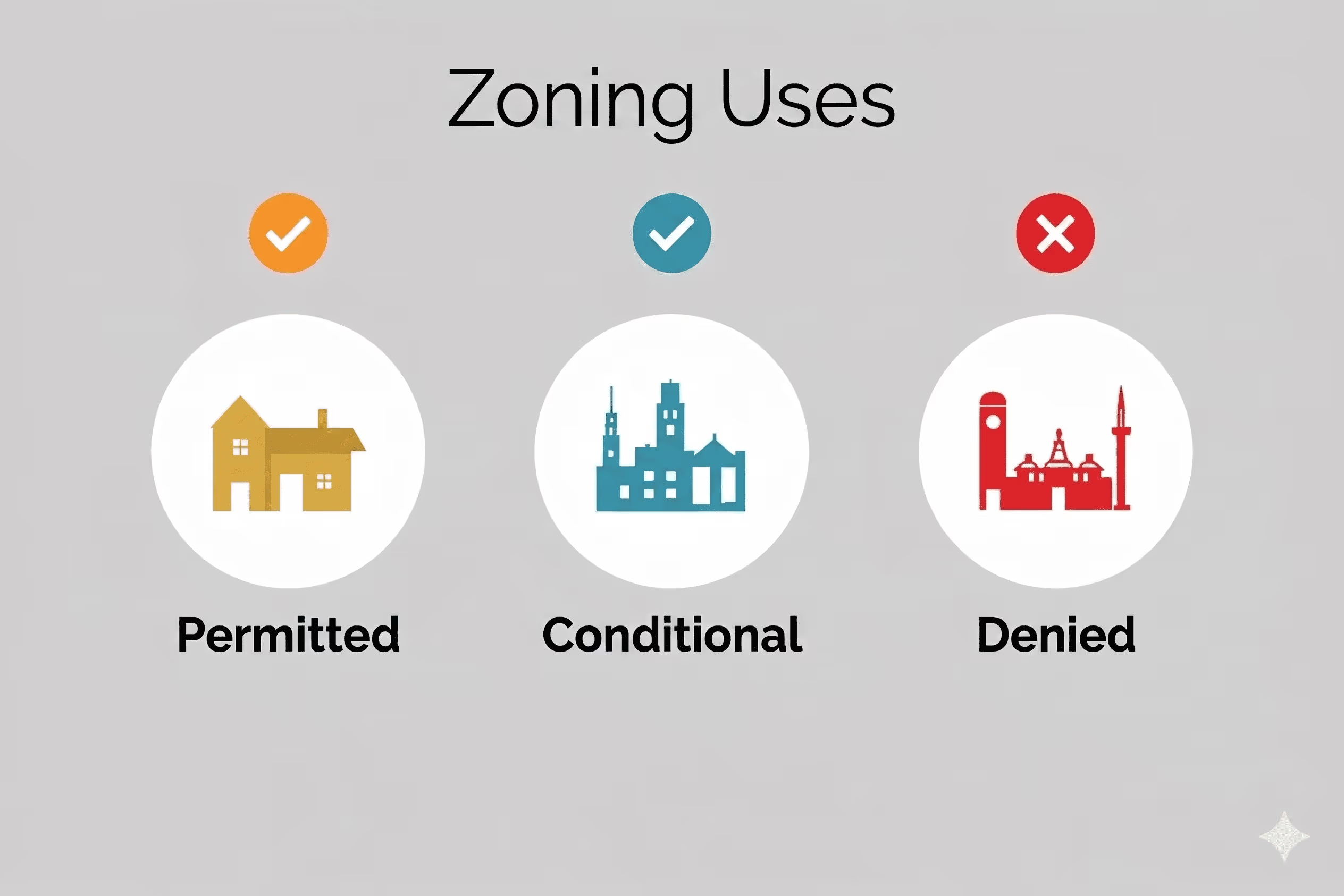
Every zoning district comes with a list of uses, and each use falls into one of three buckets. Permitted uses are allowed outright, often with a building permit. Conditional uses need a special permit, which usually means an application, a fee and sometimes a public hearing, and anything not on the list isn’t allowed.
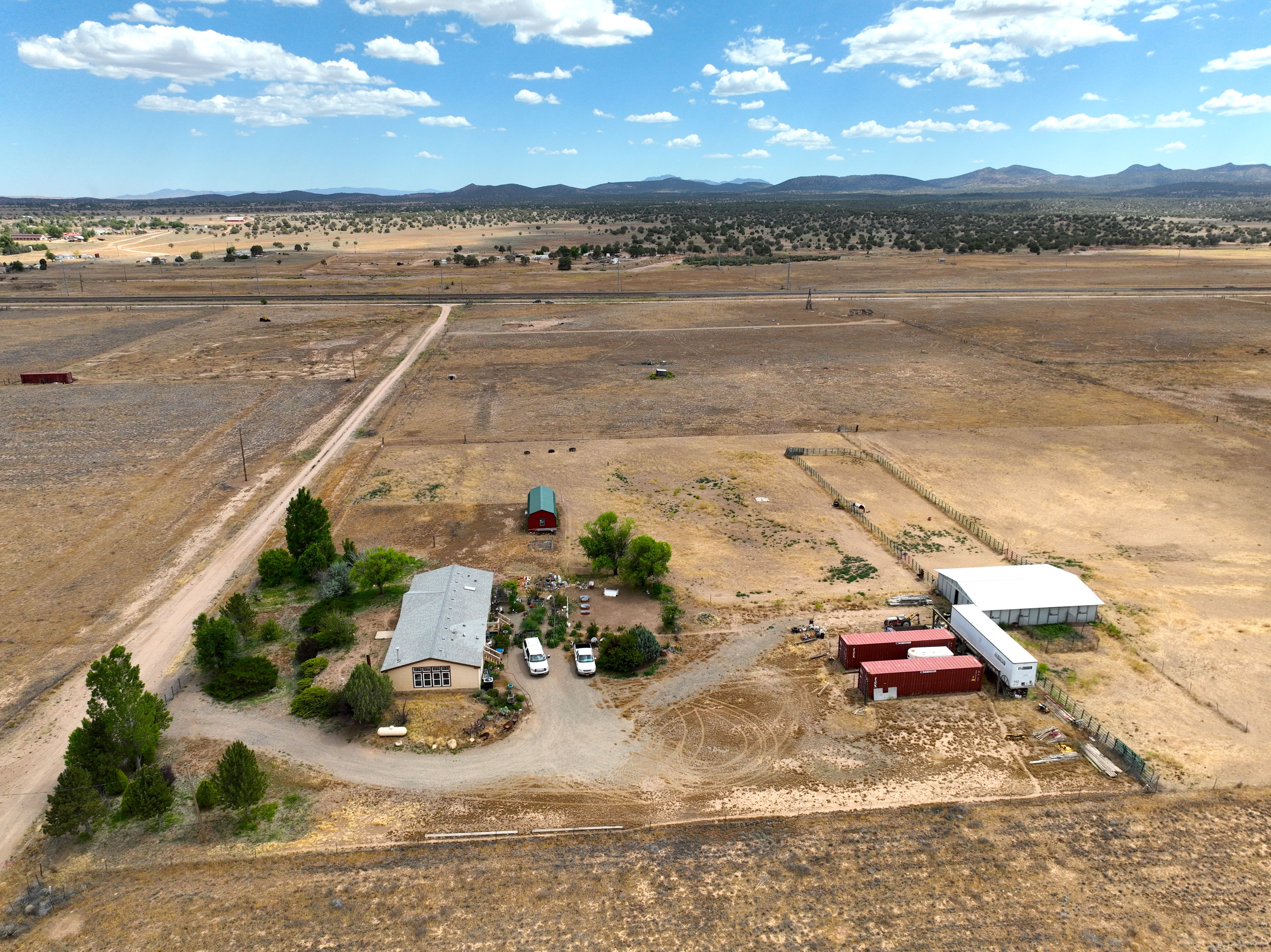
The district name tells you very little by itself. RCU-2A in Yavapai County, Arizona is the county’s general rural zone with a 2-acre minimum, and on a lot we listed there it allows site-built, manufactured and modular homes plus short RV stays. A district with a similar name in the next county over can allow far less, so read the use table for the exact district on your parcel.
Some places have no zoning at all, which buyers sometimes call unrestricted land. Saguache County, Colorado is not zoned but still requires building permits, and even a temporary RV permit there comes only after an approved septic system is in. Unzoned land still comes with building codes, health department rules and any deed restrictions recorded on the parcel, so read our explainer on what unrestricted land means before you count on it.
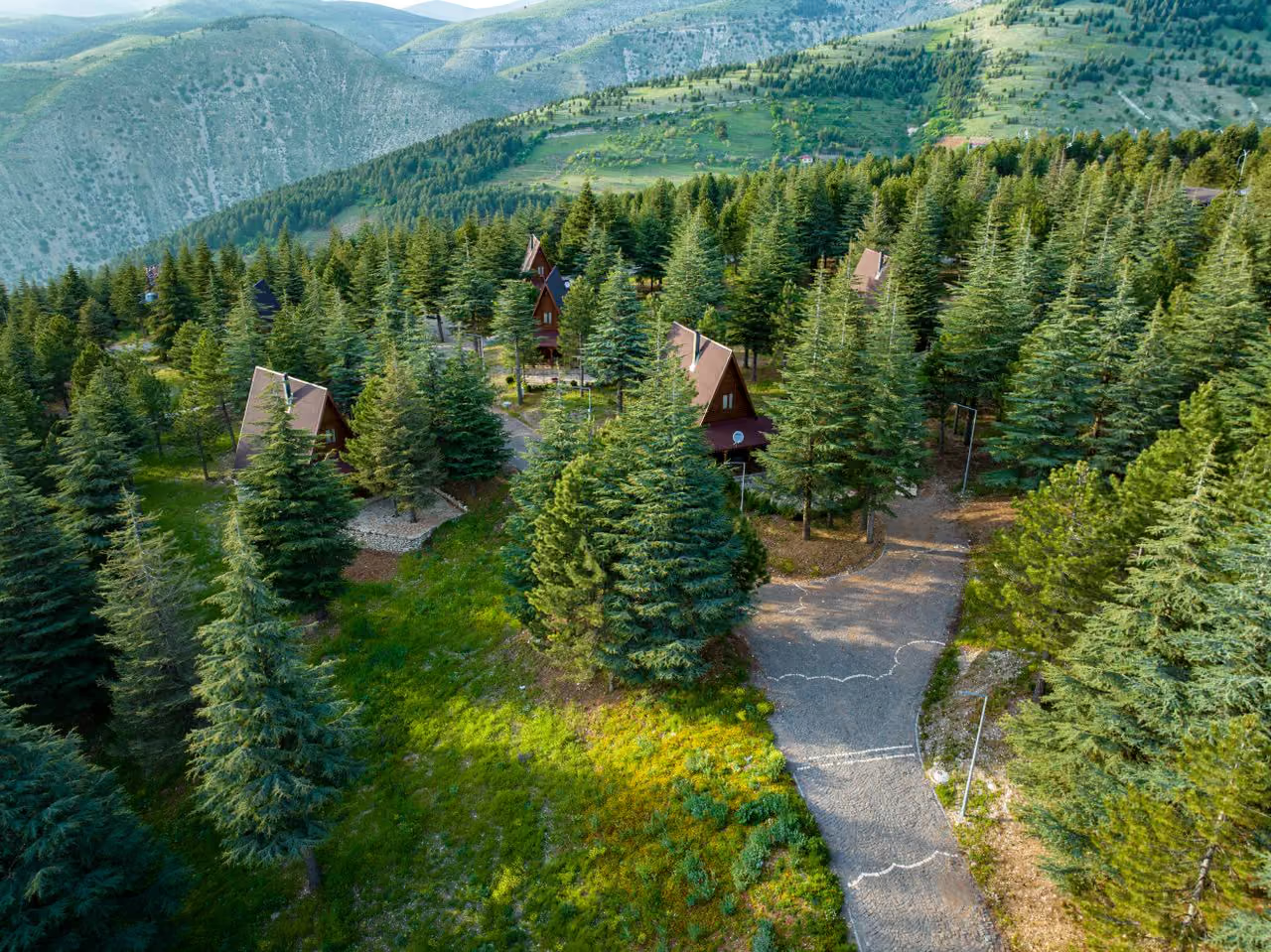
Ways to Live on Your Land (1 to 8)
These are the uses most of our buyers come to us for. Each one needs a residential or rural district that allows that type of home, and most also need a building permit, a water source and an approved septic system.
| # | Use | What to check |
|---|---|---|
| 1 | Site-built home | Minimum lot size, setbacks and the building permit process |
| 2 | Manufactured home | Whether the district allows HUD-code homes, and any age limit |
| 3 | Modular home | Often treated like a site-built home. Ask the county to confirm |
| 4 | Cabin | Any minimum home size, plus water and septic |
| 5 | Tiny home on a foundation | Whether the county adopted the tiny house section of the building code |
| 6 | Barndominium | Whether a metal building can be permitted as a home in that district |
| 7 | Off-grid homestead | Rules on solar, wells, composting toilets and rainwater (see 31 to 37) |
| 8 | RV while you build | How many months the county allows, and whether the building permit comes first |
Manufactured homes get the most questions. The federal HUD Code took effect June 15, 1976, and every home built after that date carries a HUD label on each section. Some places can still limit older units, and Texas cities, for instance, may ban pre-1976 mobile homes. North Carolina counties can’t exclude manufactured homes countywide, and a 2025 Colorado law stops local governments from holding factory-built homes to stricter standards. Our guide to buying land for a mobile or manufactured home goes county by county through what to ask.
Tiny homes are their own puzzle. The model building code defines a tiny house as 400 square feet or less, not counting lofts, but that section only applies where a state or county adopts it. North Carolina and Florida both include it in their codes. A tiny home on wheels often falls under RV rules instead, which brings in the camping limits below. Read more in our guides to tiny homes on vacant land, the difference between mobile, manufactured and modular homes and building a cabin on vacant land.
Camping and Recreation Uses (9 to 16)
A lot of buyers want a place to get away before they ever build. These uses are light on the land, but RV camping is one of the most tightly limited uses in county codes.
| # | Use | What to check |
|---|---|---|
| 9 | Tent camping | Days per year allowed, and any permit after a set number of days |
| 10 | RV pad for weekend trips | Whether the district allows RVs at all, and the yearly day limit |
| 11 | Stargazing spot | Allowed in most places. Some counties limit outdoor lighting |
| 12 | Walking trails | Fine for your own use |
| 13 | Dirt bike or ATV track | Noise rules, and whether it turns into a business if others pay to ride |
| 14 | Horseback riding | Animal limits per acre (see 25) |
| 15 | Family gathering spot | Whether a shade structure or shed needs a permit |
| 16 | Personal retreat or meditation space | Rules on accessory buildings before a home is built |
In Citrus County, Florida, accessory uses and buildings aren’t allowed on vacant land until a home is in place, so even a shed for a retreat spot has to wait. Here’s how RV camping on bare land compares in seven counties across three of our states.
| County | RV camping on bare land |
|---|---|
| Mohave County, AZ | 30 days a year, no stay longer than 14 days, where the district allows RVs |
| Yavapai County, AZ | Lots of 2 acres or more: 10 days in a row, up to 3 times a year, 30 days apart, owner only, no hookups |
| Teller County, CO | 60 days in any 12 months. A camping permit is needed past 14 days |
| Saguache County, CO | A temporary RV permit only after an approved septic system and an active construction permit |
| Hernando County, FL | Up to 6 months each calendar year with a permit, in districts that allow mobile homes |
| Lake County, FL | No living in an RV outside the RV park district, except during construction |
| Citrus County, FL | No RV stays on a vacant lot. Two weeks a year only on a lot with a house |
Living in an RV while you build has its own rules. Yavapai County’s zoning ordinance allows an RV for 24 months after the building permit is issued, with one extension of up to 12 months. Mohave County and Teller County don’t allow living year-round in an RV on a regular lot.
“The question I hear most on calls is whether someone can bring their camper out this summer. That answer comes from the county, so we look it up before a lot ever goes on our site.”
Andrew, co-founder of Compass Land USA

Get the free Land Uses and Zoning guide
Our free Land Uses and Zoning guide walks through five checks on what a lot allows, from the zoning district to RV stays, tiny and manufactured homes and off-grid setups, with a one-page parcel sheet and a real lot we listed, checked line by line.
Growing Food and Keeping Animals (17 to 30)
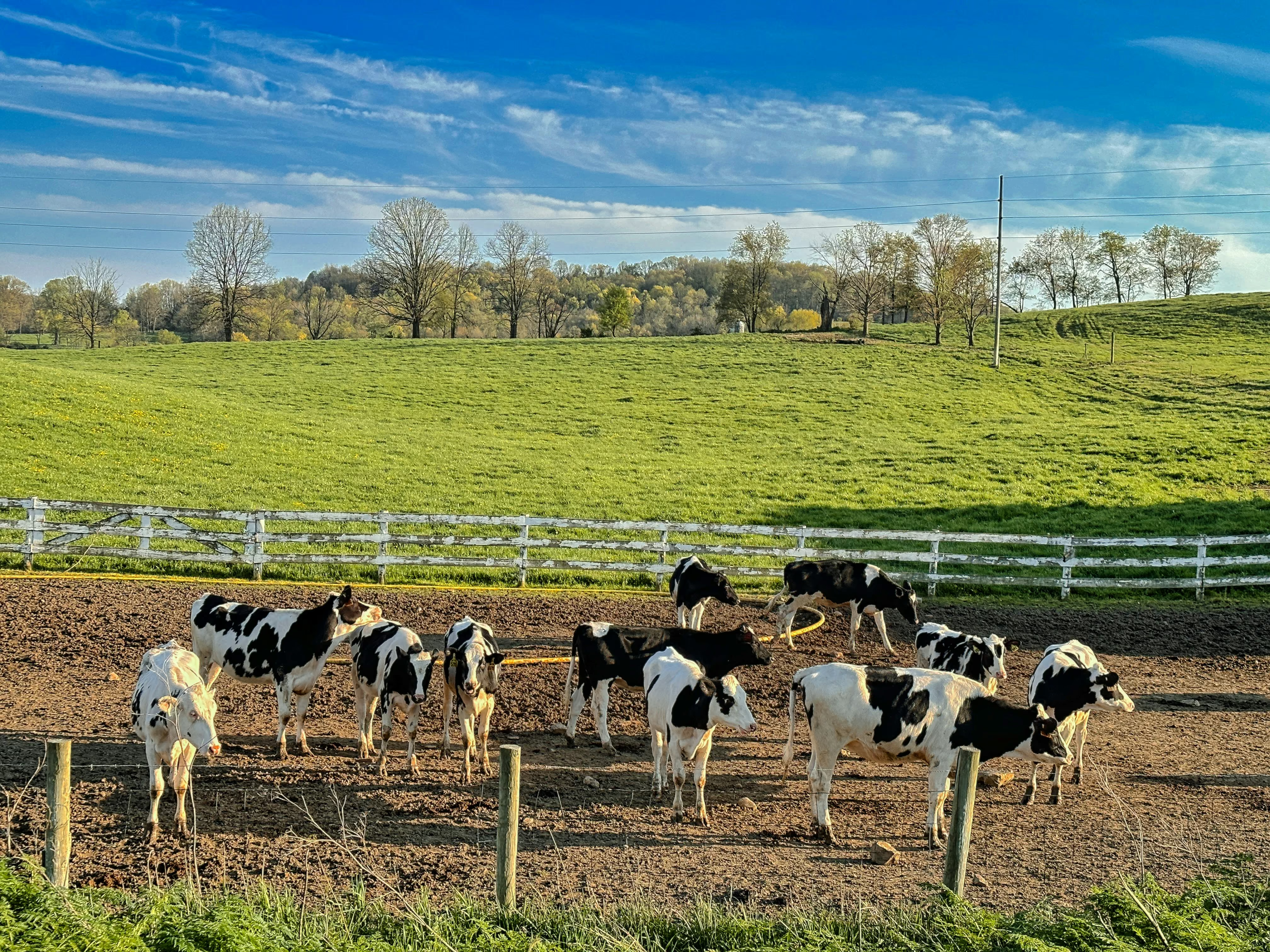
Homesteading is the most common reason our buyers give for wanting land. Agricultural and rural districts are usually the friendliest to these uses, while residential districts can limit them, and the use table for your district lists which animals are allowed and how many.
| # | Use | What to check |
|---|---|---|
| 17 | Vegetable garden | Allowed almost everywhere |
| 18 | Fruit orchard | Where irrigation water will come from |
| 19 | Chickens | Bird limits in residential districts |
| 20 | Goats | Livestock limits per acre |
| 21 | Beekeeping | Hive limits and distance from property lines |
| 22 | Greenhouse | Building permit rules for structures over a set size |
| 23 | Christmas tree farm | Selling trees on site may need a permit |
| 24 | Berry patch or small vineyard | Same as an orchard |
| 25 | Horse pasture and stables | Acres per horse and barn setbacks |
| 26 | Animal sanctuary | Often a conditional use if you take in many animals |
| 27 | Pollinator meadow | Some counties enforce weed rules |
| 28 | Dog run or training area | Kennel rules if you keep many dogs |
| 29 | Windbreak or tree planting | Allowed in most districts |
| 30 | Compost and soil building | Fine for your own use |
Barns and coops have to fit inside the same setbacks and coverage limits as a home. On a 2.5-acre RCU-2A lot we listed in Yavapai County, the planning office gave us setbacks of 50 feet front and rear and 25 feet on the inside sides, with no more than 10% of the lot under roof. That works out to about 10,890 square feet for every building you put up, house included.
Off-Grid and Practical Uses (31 to 37)
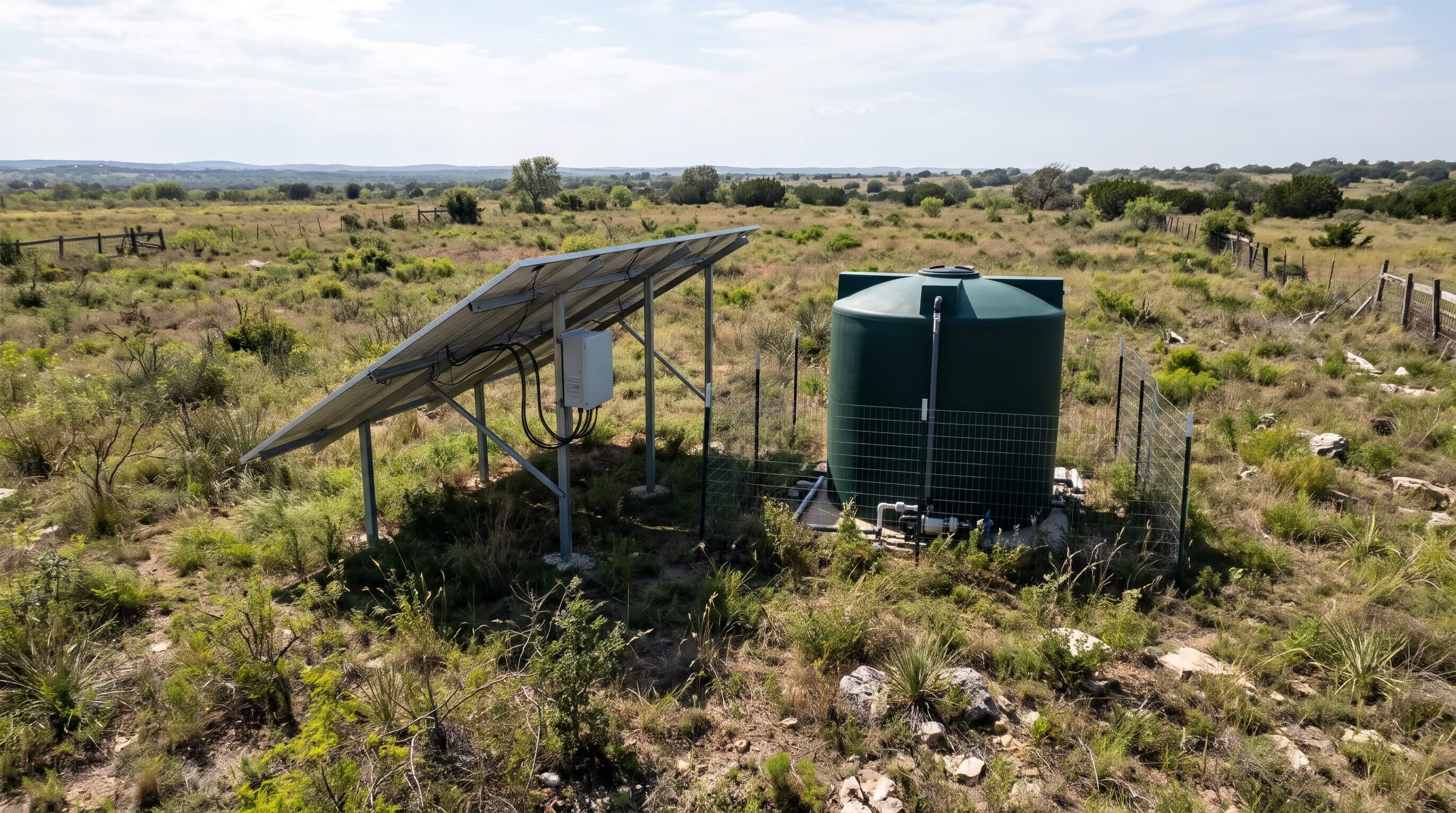
Off-grid setups touch more rule books than zoning. Health departments handle toilets and wastewater, and state law covers solar and rainwater.
| # | Use | What to check |
|---|---|---|
| 31 | Solar power system | Building permit for the array, and HOA rules if there is one |
| 32 | Rainwater catchment | State limits on how much you can collect |
| 33 | Workshop or barn | Some counties don’t allow a shop before a home |
| 34 | Boat or RV storage | Storing your own is usually fine. Storing for others is a business use |
| 35 | Backup or emergency shelter | Same permits as any other building |
| 36 | Outdoor art or photo studio | Fine for personal use. Paying clients can make it a business |
| 37 | Graywater garden | State graywater rules |
In six of the eight states where we sell land, state law limits an HOA’s power to ban solar panels. Colorado lets most households collect rain in up to two barrels holding 110 gallons total. Texas and Arizona both allow household graywater systems under 400 gallons a day without a state permit, as long as you follow the state’s design rules.
Composting toilets are trickier. In Colorado, North Carolina and Arkansas, a composting toilet usually doesn’t replace an approved septic or wastewater system, so budget for both. Our breakdowns of grid power versus solar on vacant land and what utilities cost on raw land put real numbers on it, and our power cost estimator gives you a rough figure for your own lot.
Bigger Plans That Usually Need a Permit or Rezoning (38 to 44)
Some uses turn your land into a small business, and that almost always means a conditional use permit or a rezoning. Both can take months and neither is guaranteed, so ask the planning office before you buy if one of these is the plan.
| # | Use | What to check |
|---|---|---|
| 38 | Campground for paying guests | A commercial use in most counties, and some require an RV park district |
| 39 | Farm stand or seasonal market | Roadside sales permits and parking |
| 40 | Event venue | Conditional use permit, parking and septic sized for guests |
| 41 | Short-term rental cabin | County rental rules and any HOA ban |
| 42 | Solar lease to an energy company | Large solar projects often need a special permit |
| 43 | Billboard lease | Sign rules and frontage on a busy road |
| 44 | Hold it for later | No permit needed. You pay the property taxes and keep the land free of code violations |
Rezoning means asking the county to move your parcel into a different district. It involves an application fee, notice to the neighbors and a public hearing. Buy land that already allows what you want, and treat a rezoning as a bonus if it ever comes.
The Rules Above Zoning: Covenants, HOAs and Floodplains
Zoning is the county’s rule. A parcel can also carry private rules recorded with the deed, like covenants or an HOA, and those can be stricter than zoning. Nevada and North Carolina both have state laws that protect manufactured homes from zoning bans, and in both states a recorded covenant that bans them still stands.
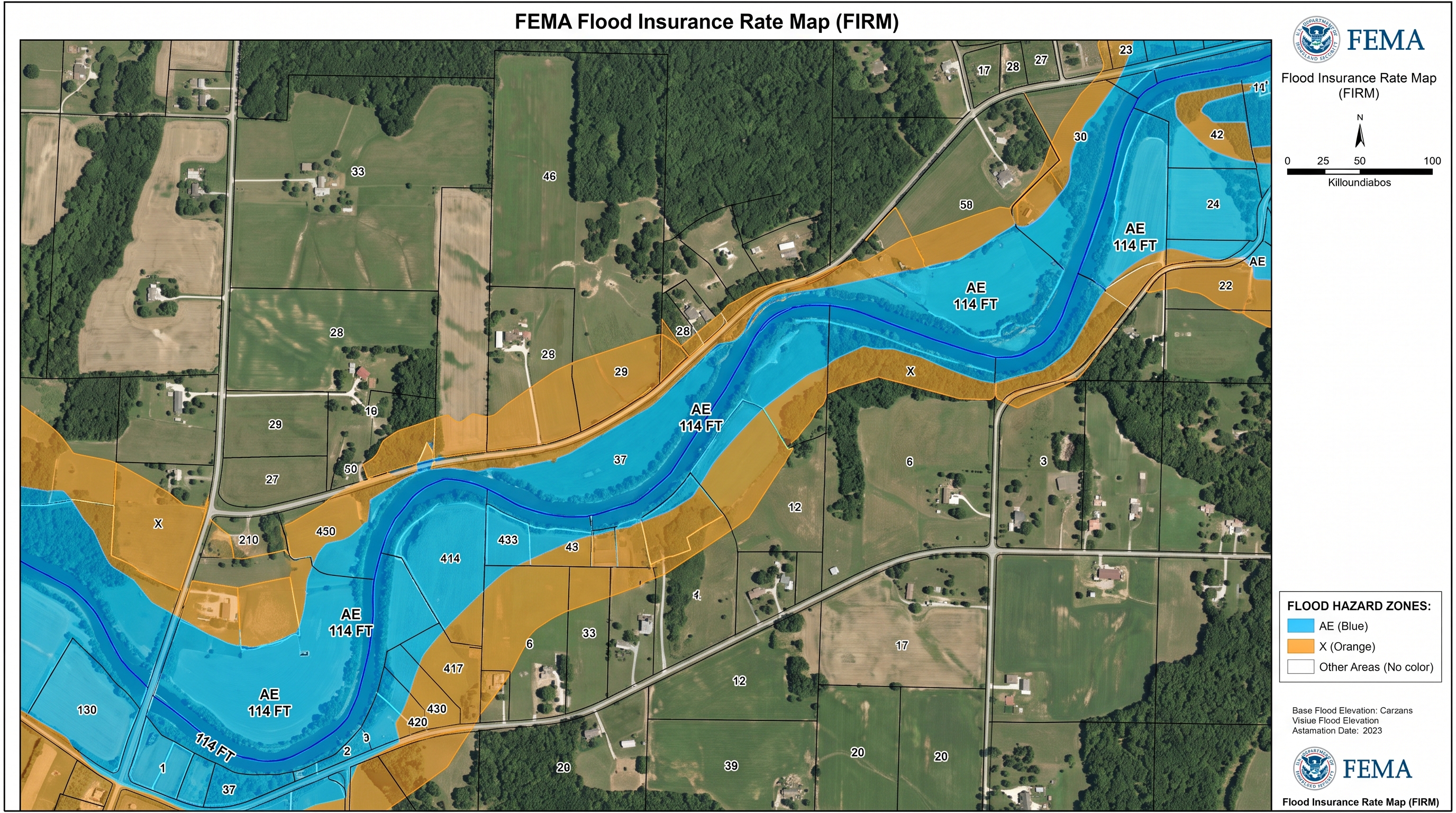
Flood maps add another layer. On one lot we listed in Yavapai County, the zoning allows site-built, manufactured and modular homes, and FEMA maps the whole lot inside a regulatory floodway. A home there needs an Arizona engineer’s no-rise certificate and a lowest floor at least 1 foot above the 100-year flood level, which adds cost before you pour a foundation. Our listing says so plainly, and our guides to deed restrictions and HOAs that block manufactured homes and FEMA flood zones and what each one means show how to check both.
How to Check What a Parcel Allows Before You Buy
These four checks take an afternoon and a couple of phone calls, and they answer most of what zoning can tell you.
- Find the zoning district. Search the county GIS map or assessor site by parcel number. Our walkthrough on looking up a parcel’s zoning shows where to click.
- Read the use table for that district. Look for your use by name and note whether it’s permitted, conditional or missing.
- Ask the planning office specific questions. Try “Can I camp in an RV on this parcel, for how many days, and can I live in it while I build?” An answer by email is worth keeping.
- Read what’s recorded with the land. Covenants, HOA rules and easements show up in the title commitment and the county recorder’s records.
“Before a lot goes on our website, our team checks the zoning and calls or emails the county about camping, RVs and what kind of home is allowed. Those answers go on the listing so you can read them before you ever call us.”
Felicia, co-founder of Compass Land USA
On Nov 5, 2026, 32 of the 33 lots we had for sale showed the zoning and what it allows for camping, RVs and homes on the listing itself. You can browse them on our land for sale page, and our list of questions to ask before buying land covers anything a listing doesn’t answer.

Frequently Asked Questions
What can I do with vacant land?
You can build a home, camp, park an RV, grow food, keep animals, set up solar or simply hold it for later. Which of those you can do on a specific parcel depends on its zoning district and any deed restrictions. The county planning office can tell you what the district allows.
How do I find out what my land is zoned for?
Search the county GIS map or assessor website by parcel number, or call the county planning and zoning office. Once you have the district name, ask for its list of permitted and conditional uses. A written answer by email is worth keeping with your records.
Can I live in an RV on my own land?
It depends on the county. Mohave County, Arizona allows 30 days a year, Teller County, Colorado allows 60 days in any 12 months, and Lake County, Florida doesn't allow RV living outside its RV park district. Many counties allow an RV while you build, once the building permit is issued.
Can I put a tiny home on my land?
Often, if the county allows homes that small. The model building code defines a tiny house as 400 square feet or less, not counting lofts, and that section only applies where a state or county adopts it. Tiny homes on wheels are often treated more like RVs.
What is the best use for vacant land?
The best use is the one the zoning already allows that also fits your plans and budget. For most of our buyers that means a future home site, a homestead or a weekend RV spot. Buying land that already allows your plan saves you from asking for a rezoning later.
Is land with no zoning the same as land with no rules?
No. Unzoned land still has building codes, health department rules for septic and wells, and any covenants recorded on the deed. Saguache County, Colorado, for example, is not zoned and still requires building permits.
If you’ve got a plan for a piece of land and want to know which of our lots fit it, call or text Andrew anytime at (313) 349-0434. We’ve sold 500+ properties since 2017, most of them with owner financing, no bank and no credit check, and today we sell land in Arizona, Arkansas, Colorado, Florida, Nevada, North Carolina, Tennessee and Texas. You can see every lot we have for sale at compasslandusa.com.
Andrew
Co-founder, Compass Land USA
Andrew co-founded Compass Land USA after buying and selling land for years without needing a single bank. He's been on both sides of hundreds of owner-financed deals across eight states.
You've Read Enough. Time to Own Something.
Ready to Stop Renting Your Life and Start Owning Something?
Browse available land in Arizona, Florida, Colorado, Nevada, Texas, North Carolina, Tennessee, and Arkansas. Owner financing on every parcel. No bank. No credit check. Close in days.