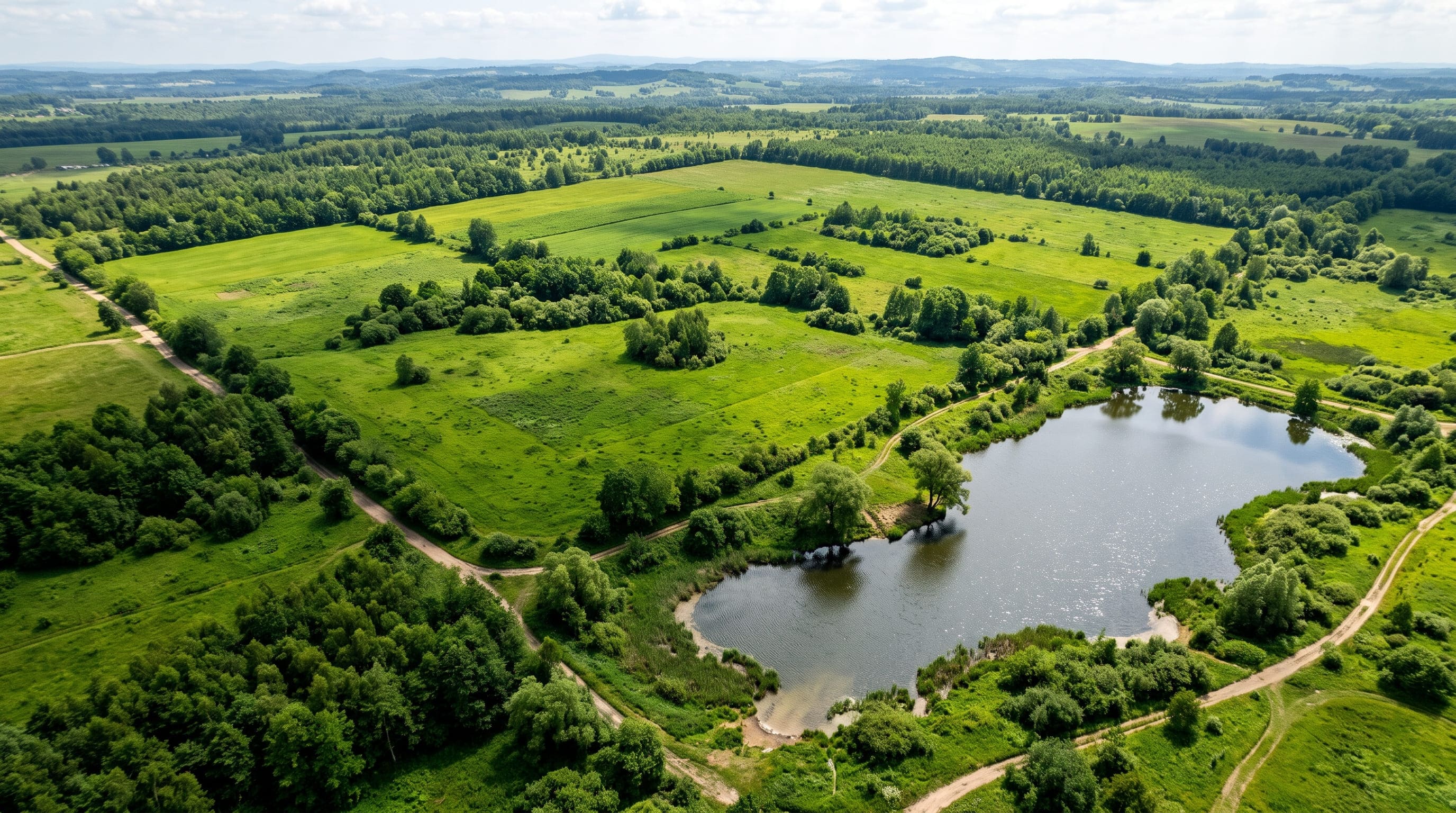

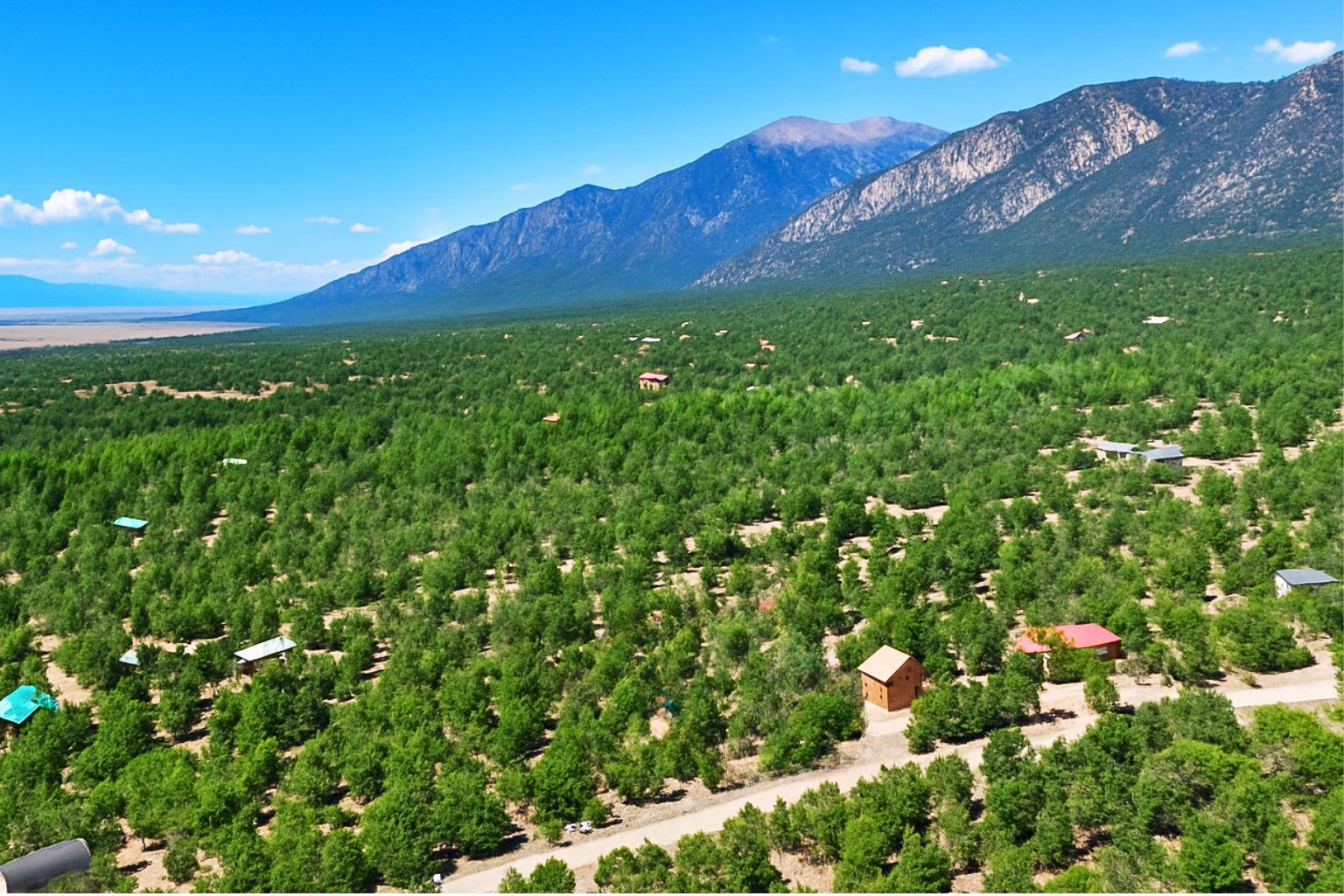
Know Your Ground
Before You Buy
15 Super Easy Questions to Ask Before You Buy Land
Chain of title, back taxes, HOA status, zoning, access, wetlands, mineral rights, and more. The 15 questions to run through before you buy any parcel of land.

15 Questions to Ask Before You Buy Land
Short answer: Before you buy land, ask about chain of title, back taxes, HOA or POA status, zoning, utilities, legal access, wetlands, mineral rights, and who your neighbors are. Most of these answers come from the seller, the county assessor's office, or a quick call to the county planning department, and most of them are free to check.
Buying land is more straightforward than buying a house. There's no inspection contingency, no appliances to worry about, and usually no bidding war. But land still comes with its own list of things to check before you sign anything. Ask these 15 questions on every parcel, whether you're buying from a private seller, an online marketplace, or a company like ours.
1. What Is the Chain of Title?
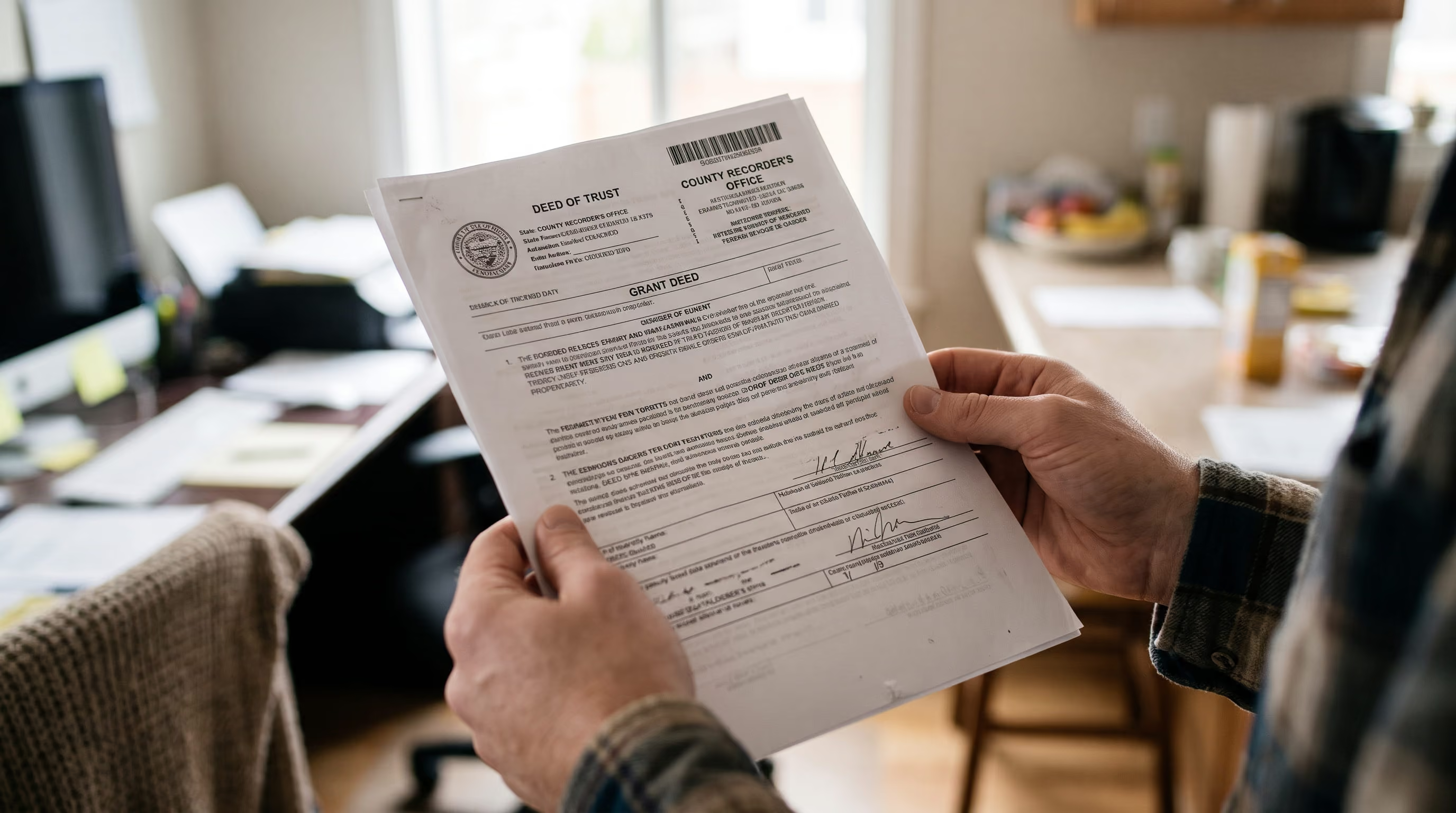
Start by confirming the seller owns the land they're selling. It sounds obvious, and most sales are legitimate, but the Federal Trade Commission warns land buyers to verify ownership before sending any money, because vacant land scams do happen. A more common problem is a previous owner who died without clearly leaving the property to anyone, which leaves the title clouded between multiple heirs.
Ask the seller for a copy of the deed. If they don't have it handy, you can search for it yourself using the property's APN (Assessor's Parcel Number) on the county recorder's website, or search historical federal land patents through the Bureau of Land Management's General Land Office Records if the parcel was originally a federal land grant. A title company can also run a full title search for you, usually for $500 to a few thousand dollars depending on the state and the property's history. Our guide on how to check who owns a property walks through the free version of this search step by step, and our title insurance explainer covers when it's worth paying for backup coverage.
2. Are There Back Taxes, Liens, or Debts Owed?
Once you know who owns the parcel, find out what's owed on it. Back taxes, liens, and other debts attach to the property itself, not to the person who owed them, so if you buy the land, you inherit the bill. A property you love can turn into a property you regret if it's carrying a few thousand dollars in unpaid taxes.
The county treasurer's office can tell you the payoff amount using the APN. Get this number in writing before you close, and confirm who is responsible for clearing it, buyer or seller. Our step-by-step guide to checking back taxes and liens shows exactly which county office to call and what to ask for.
Get the free Back Taxes and Liens guide
Our free Back Taxes and Liens guide walks through five checks on any lot's paperwork, with a one-page checklist and a real lot we listed, checked line by line.
3. Is the Property in an HOA or POA?
An HOA (Homeowners Association) or POA (Property Owners Association) usually means two things: an annual fee, and a set of rules about what you can and can't do on the land. Neither shows up in the county treasurer's system, so you have to ask separately.
We almost bought a property early on that carried over $3,000 in unpaid HOA dues. We caught it before signing, but it was close. If the seller doesn't know whether the land sits in an HOA or POA, call the county and ask, or search the property address alongside "HOA" or "POA" online. Some HOAs also restrict manufactured and modular homes, which matters if that's part of your plan. Our article on deed restrictions and HOAs that block manufactured homes covers how to catch this before you buy.
4. What Is the Property Zoning?
Zoning determines what you're legally allowed to build and do on the land: agricultural, residential, commercial, or something else. It also decides whether camping and RV use are allowed, which surprises a lot of first-time buyers. Some parcels welcome an RV parked full-time. Others don't allow it at all.
Call the county's Planning and Zoning Department directly rather than relying on the seller's description. Ask specifically about buildable status, RV and camping rules, and any pending changes to the zoning code nearby. Our guide on how to check property zoning has the exact questions to ask the county.

5. What Can You Use the Land For?
Once you know the zoning and HOA rules, you know your real options. Most vacant land falls into one of three buckets:
- Recreational: camping, RVs, ATVs, hunting where legal, stargazing, fishing.
- Residential: a stick-built home, a manufactured home, a tiny home, or a future retirement spot.
- Undeveloped: held as-is, for privacy, for a future decision, or as a long-term hold.
Match what you want to do with what the zoning and HOA rules allow before you buy, not after. For more ideas than the obvious ones, see 44 unique ways to use land.
Want this whole list in one place? Download our free land buying checklist and take it with you to every property you look at. Questions along the way? Call or text Andrew anytime at (313) 349-0434.
6. Does the Property Have Utilities?
Most vacant and rural land doesn't have utilities already run to it. If the parcel sits inside a developed subdivision, power and water are more likely nearby, but you'll usually still pay a connection fee to activate them.
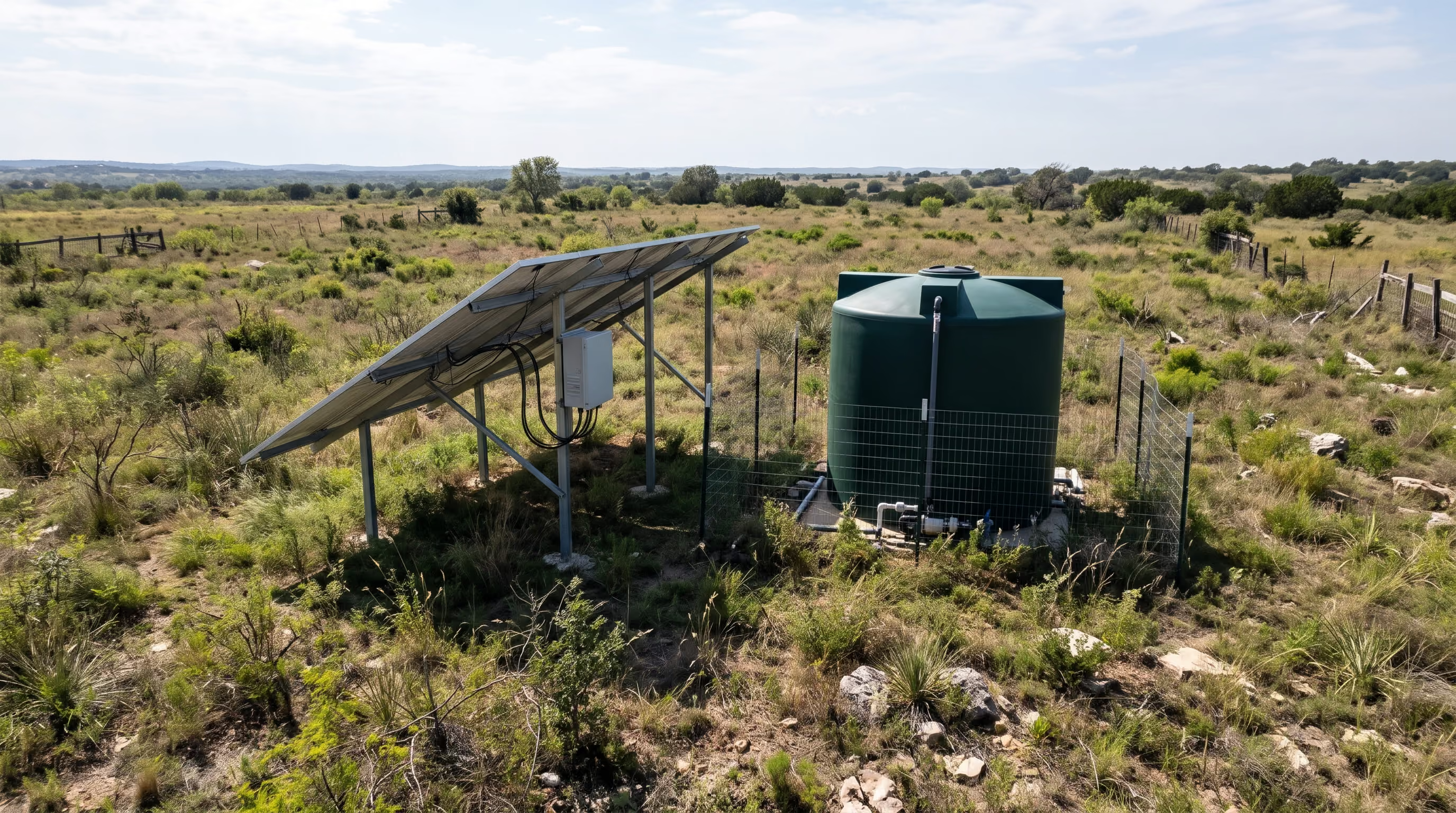
Whether you need well water and septic, or can tie into city water and sewer, depends on the location and the cost of running lines to the property. The county can tell you what's physically available nearby. If you want to stay off-grid, solar panels and rainwater collection keep costs down while giving you more privacy. Our guides on checking property utilities and what it costs to get utilities on vacant land break down real numbers by utility type.
7. What Are the Annual Property Taxes?
Land costs far less to hold than a house, because there's nothing built on it to tax at a high rate. Still, you owe property taxes every year regardless of whether you visit the land, build on it, or use it at all. We've seen annual tax bills as low as $3 and as high as several hundred dollars, depending on the county and the parcel.
Skip the taxes long enough and the county can eventually sell your property at a tax auction, so budget for this every year even if the land just sits there. If the seller doesn't know the number, look it up with the APN through the county's online records or call the county treasurer directly.
8. Does the Land Have Common Facilities?
This one is rare outside of subdivisions and gated communities, but it's worth ruling out. Common facilities are shared infrastructure, like a shared well, a private road, or a shared septic system, that multiple property owners are jointly responsible for maintaining.
If common facilities exist, ask how maintenance is split, how much it costs per year, and who currently manages it. A shared road with no formal maintenance agreement can turn into a headache fast.
9. How Do You Access the Property?
Privacy is part of the appeal of rural land, but some parcels don't have legal road access, which means reaching your own land would technically mean crossing someone else's. Legal access should be spelled out in the deed. It means a public route, gravel or paved, reaches the parcel.
Ask the seller for GPS coordinates, not just an address, since a lot of vacant land doesn't have one. Cross-check those coordinates against the county's GIS map before you commit, especially if you won't visit the property in person before buying. Our guide on how to check property access and get coordinates for free walks through the exact tools to use.

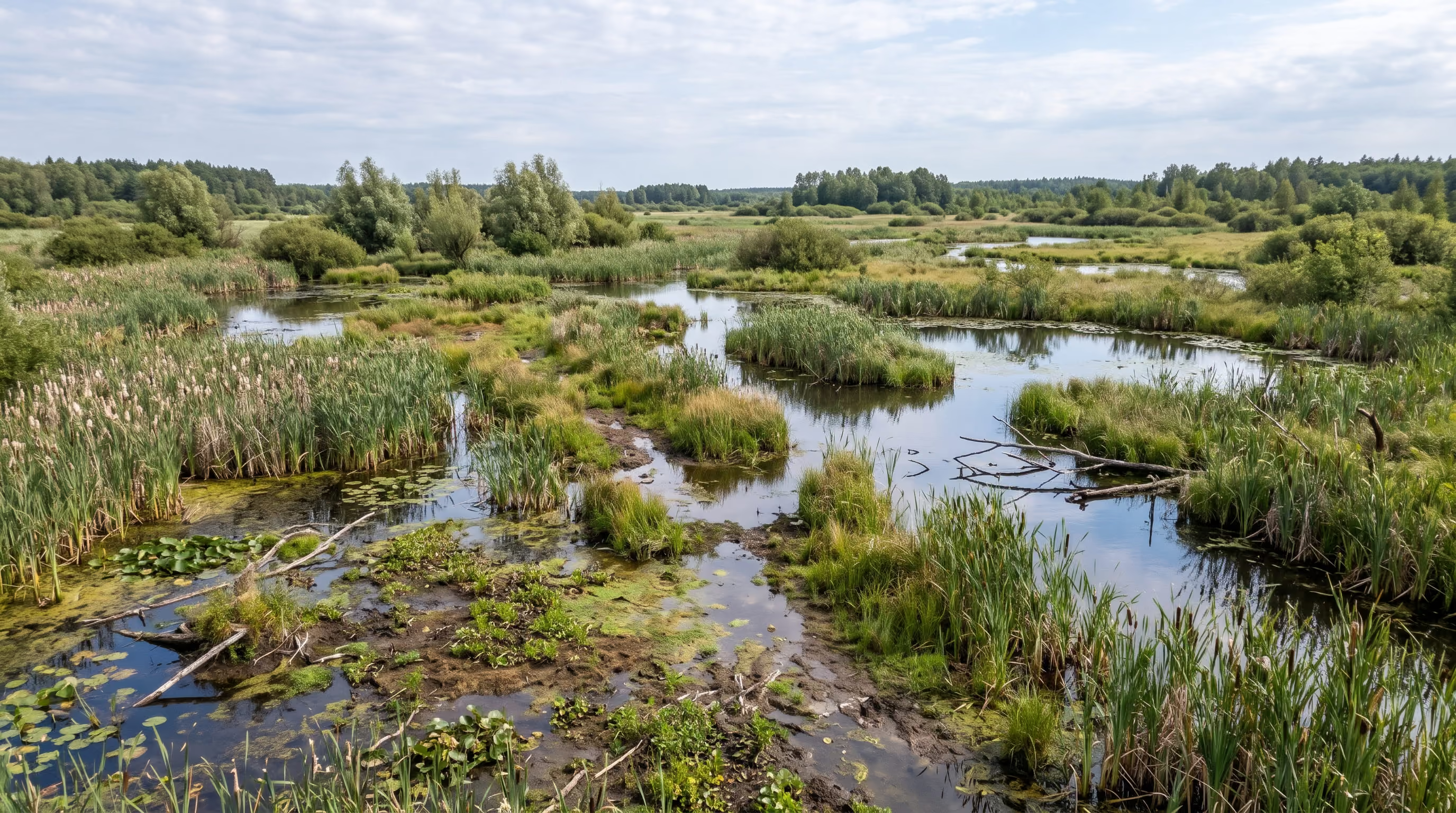
10. Is the Property in a Wetland?
Wetlands are seasonally or permanently saturated with water, and most come with government restrictions on building, grading, or altering the land at all. That makes them a poor fit if your plan is to build, though camping, fishing, and hunting may still be allowed depending on local rules.
Check the U.S. Fish and Wildlife Service's National Wetlands Inventory using the property's coordinates before you make an offer, it's free and covers the entire country. Florida buyers in particular should look closely here, since wetlands show up more often in Florida parcels than in most other states. See our guide on Florida property in wetlands and our broader breakdown of flood zone types for more detail.
11. What Is the Property Size and Shape?
Before you fall for a parcel, understand its exact size and shape, along with the topography, slope, and elevation. A 5-acre rectangle and a 5-acre sliver bent around a wash give you very different amounts of usable space.
This detail matters most if you have a specific plan, a home site, a campground, a bushcraft setup, since it tells you how much room you have to work with. Our guide on checking property slope and elevation covers the free tools that show you the lay of the land before you ever visit.
12. Is the Land Near a Conservation Easement?
A conservation easement is a legally binding restriction placed on a property to protect its natural resources, and it can limit what an owner is allowed to clear, plant, or build, even years after the sale. The IRS explains conservation easements in detail because they're often tied to tax deductions for the original landowner, but the restriction itself stays with the land no matter who owns it next.
Ask the seller directly: are there any easements on the property, conservation, utility, or otherwise, and are there any known environmental concerns? An easement doesn't necessarily rule out a purchase, but it should change what you expect to be able to do with the land.
13. Who Owns the Mineral Rights?
This one catches people off guard. Mineral, timber, and water rights can be legally separated from surface ownership, which means you could own the land on top while someone else owns what's underneath it. The Bureau of Land Management has more detail on how split estates work if you want to dig deeper.
Ask the seller directly whether mineral rights transfer with the sale. It's the same story for timber and water rights: if you don't own them, you can't sell or profit from them even if they exist on your land. Our guide on what you need to know about mineral rights covers how to check before you buy.
14. Are There Any Water Features?
This one is a nice-to-have, not a dealbreaker either way. A water feature, a creek, pond, spring, or stream already on the property, can add value. A wetland or marsh can do the opposite, so treat this question as connected to Question 10, not separate from it.
Ask the seller directly whether the property has any water features, and confirm it isn't protected wetland before you count on it for anything.
15. Who Are the Neighbors?
Your neighbors affect your land's value and your day-to-day experience, especially in subdivisions or semi-urban areas. It matters less if you're sitting on 40 acres in the middle of nowhere, and more if your parcel borders three other homes.
If resale ever matters to you, even years down the road, ask what's around the property now and whether anything is planned nearby. The seller may not know everything, but the county planning department usually does.
FAQ
How much does a title search cost when buying land?
A basic search using the county's own records is free if you do it yourself with the parcel's APN. A title company search typically runs $500 to a few thousand dollars, depending on the state and how far back the property's history goes.
Do I need to pay off back taxes before I buy land?
Yes, if you want clear ownership. Back taxes and liens attach to the property, not to the seller, so any unpaid balance becomes your responsibility the moment you close.
Can I still buy land that sits in a wetland?
Yes, but check the restrictions first. Many wetland parcels limit or block building and grading. Confirm the boundaries with the U.S. Fish and Wildlife Service's National Wetlands Inventory before you make an offer.
Who do I contact to find out if land is in an HOA?
Not the county treasurer, they won't have it. Call the HOA or POA directly, or ask the seller for the association's contact information and the current dues balance.
Do I automatically get the mineral rights when I buy land?
Not always. Mineral, timber, and water rights can be sold separately from the surface. Ask the seller directly whether they transfer with the sale, and check the deed history to confirm.
Is a land survey required before closing?
Not always, but it's a smart move if the boundaries are unclear or the parcel has had multiple owners. A survey confirms the exact lines, acreage, and access points, so you know exactly what you're buying.
Bottom Line
These 15 questions won't take long to run through, and most of the answers are free. They're the difference between buying land you're confident about and buying land you find out too much about after closing. Ask them every time, on every parcel, no exceptions.
When you buy directly from us, we've already checked most of this and put it in the listing before you ever ask: GPS coordinates, access, utilities, zoning, and flood risk, all disclosed upfront. See what's currently available or grab your state's Arizona, Colorado, Florida, North Carolina, Tennessee, or Arkansas buying checklist. Questions on a specific property? Call or text Andrew anytime at (313) 349-0434, or email sales@compasslandusa.com.
Andrew
Co-founder, Compass Land USA
Andrew co-founded Compass Land USA after buying and selling land for years without needing a single bank. He's been on both sides of hundreds of owner-financed deals across eight states.
You've Read Enough. Time to Own Something.
Ready to Stop Renting Your Life and Start Owning Something?
Browse available land in Arizona, Florida, Colorado, Nevada, Texas, North Carolina, Tennessee, and Arkansas. Owner financing on every parcel. No bank. No credit check. Close in days.
