
Know Your Ground
Know Your Ground
What You Need to Know About Buying Land in Florida
Flood zones, wetlands and floodways are the three water issues to check on Florida land. Here are 15 questions to ask before you buy, plus what to watch for in Florida.

We buy a lot of land in Florida, and flood zones or other water issues shouldn't scare you off. Florida land takes the same research as land anywhere else, plus a closer look at water. Every region has its own natural concerns:
- Northeast: winter snow can block access for months at a time
- West Coast: seasonal wildfires
- Gulf Coast and Southeast: hurricanes and the flooding that follows them
- Middle America: tornadoes
15 Questions to Ask Before You Buy Land
At Compass Land USA we run due diligence on every property before we buy it. If you're buying land on your own, start with these 15 questions.
1. Who Owns the Land?
Ask the seller for a copy of the deed and confirm the person selling is the owner on record. If they don't have it, the county's website will show the deed history. Our guide on how to check who owns a property walks through it.
2. Are There Back Taxes or Liens?
Once you know who owns the parcel, check for back taxes, liens or other debts on it, since those can follow the land to you. Here's how to check back taxes and liens for free.
3. Is the Property in an HOA or POA?
An HOA or POA usually charges an annual fee and has its own rules on what you can build and how you can use the land. Get those rules in writing before you buy.
4. What Is the Zoning?
Zoning tells you whether the lot is buildable and whether it's agricultural, residential or commercial, and it shapes what can go up on the land around you. See how to check property zoning for free.
5. What Can You Use the Land For?
Most vacant land is classed as recreational, residential or undeveloped. Match what you want to do, whether that's camping, an RV or a home, against the zoning and any HOA or POA rules.
6. Does the Property Have Utilities?
Most rural lots don't. A lot in a developed subdivision often has power and water nearby, but you'll still pay a fee to connect. Our guide to checking utilities on land covers power, water and septic.
7. What Are the Property Taxes?
Land usually costs less to hold than a house or an apartment building, but look up the annual tax bill before you buy so it fits your budget.
8. Are There Common Facilities?
It's rare, but some subdivisions share a water system, septic, a road or other common property that the owners or the developer have to maintain. Ask who pays for the upkeep.
9. Does the Property Have Legal Access?
Plenty of buyers want rural land for the privacy, but some rural parcels have no legal road access. Without it you'd be crossing a neighbor's land to reach your own. Here's how to check property access.
10. Is Any of the Land in Wetlands?
Wetlands stay wet for part or all of the year and usually can't be filled or built on without a permit, which is why most buyers pass on them.
11. How Big Is the Parcel, and What Shape?
Size and shape tell you how much you can build and how much room you have to spread out. A long, narrow lot can be harder to use than a square one with the same acreage.
12. Is There a Conservation Easement?
A conservation easement is a recorded, legally binding agreement that protects a property's natural resources. It can limit clearing, planting or hunting on parts of the land.
13. Who Owns the Mineral Rights?
Mineral, timber and water rights are sometimes owned separately from the land itself. Our guide explains how mineral rights work.
14. Are There Any Water Features?
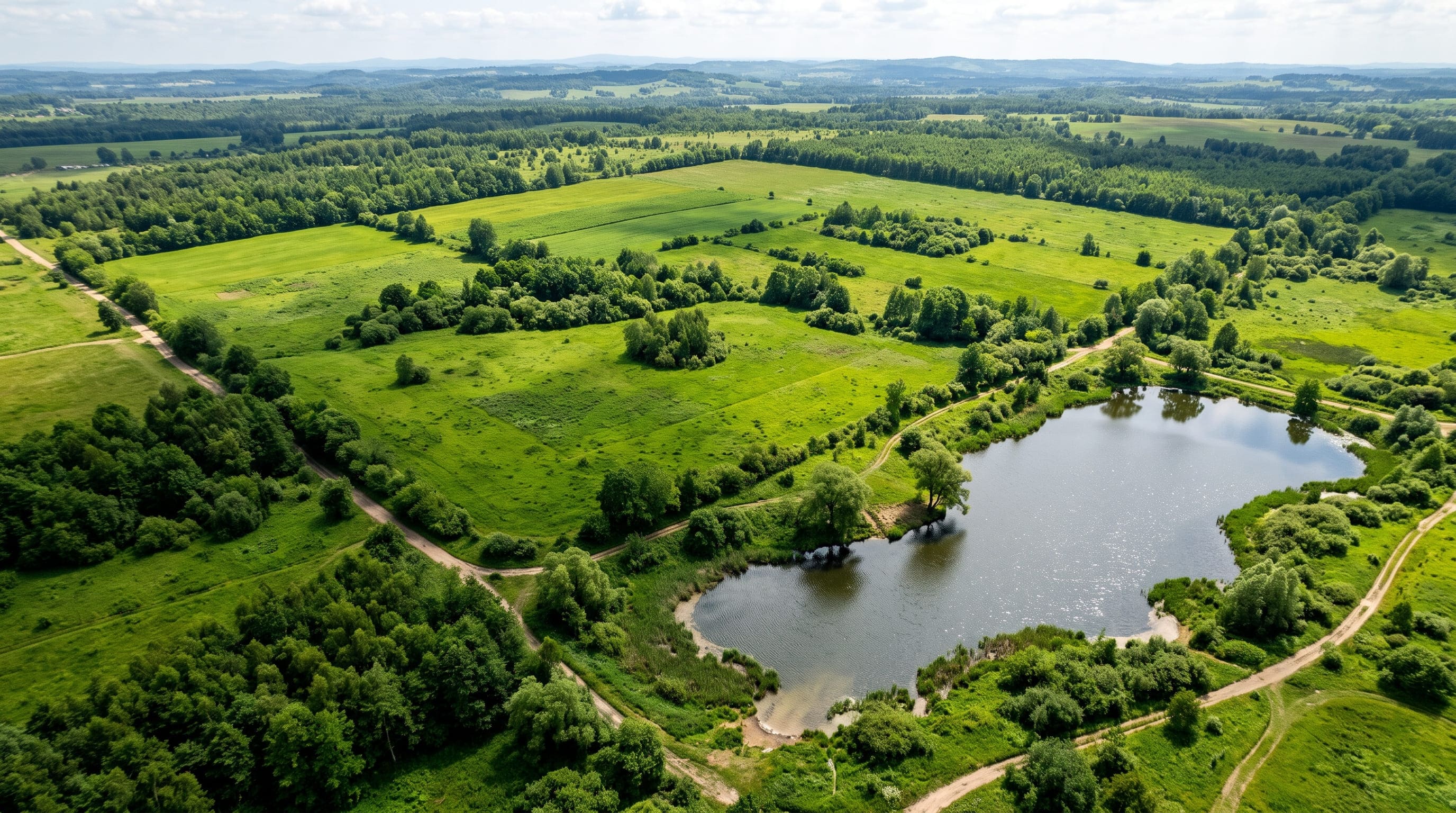
A river, creek, lake, spring or pond on the property can be a big plus, and in Florida it's also a reason to look closely at the flood zone.
15. Who Are the Neighbors?
Look at the parcels around yours. If you had to sell in a year, the neighborhood is part of what the next buyer sees.
What to Watch for with Florida Land
Three water issues come up on Florida land more than anywhere else we buy: wetlands, flood zones and floodways.
Florida Wetlands
Wetlands are marsh or swamp-like areas where the soil is covered by water for much of the year. Unless you love everything else about the property, skip land designated as wetlands. You can check a parcel on the US Fish and Wildlife Service National Wetlands Inventory, and our guide shows how to find out if Florida land is in wetlands.
Florida Flood Zones
FEMA flood zones are based on the 1% annual chance of flooding, often called the 100-year flood. Zone X carries the lowest risk, and Zones A and AE are high risk. Check the FEMA Flood Map or the county GIS map to see which zone a parcel is in. Buying in a flood zone isn't a deal breaker, but know your zone, since insurance costs more in the high-risk ones. Our guide to FEMA flood zones explains each one.
Florida Floodways
A floodway is the channel of a river or stream plus the land next to it that has to stay open to carry flood water. Getting approval to build in a regulatory floodway is extremely difficult, and the rules vary by county, so avoid floodway land when you can.
Bottom Line on Buying Florida Land
Do your due diligence before you buy, and in Florida give floodways, wetlands and flood zones extra attention. A floodway is the one to walk away from. Wetlands aren't impossible to build on, but the permits and site work add up fast. A flood zone is fine as long as you know which one you're in and what it means for insurance. Our free Florida land buying checklist puts these checks in one place, and you can call or text us at (313) 349-0434 or browse our land for sale in Florida.
Andrew
Co-founder, Compass Land USA
Andrew co-founded Compass Land USA after buying and selling land for years without needing a single bank. He's been on both sides of hundreds of owner-financed deals across eight states.
You've Read Enough. Time to Own Something.
Ready to Stop Renting Your Life and Start Owning Something?
Browse available land in Arizona, Florida, Colorado, Nevada, Texas, North Carolina, Tennessee, and Arkansas. Owner financing on every parcel. No bank. No credit check. Close in days.
